
Japan. It seems like everybody wants to go. Your neighbor is going to Japan. Your coworker is going to Japan. Somebody you went to high school with is standing under cherry blossoms on Instagram. And I get it. Japan is one of those rare destinations where you can step off the bullet train, walk into a centuries-old temple, eat one of the best meals of your life, buy something completely unnecessary from a vending machine and watch a robot deliver your dinner, all before bedtime.
Here’s the problem: Japan looks easy on TikTok. It is absolutely doable, but there are some things first-timers get very, very wrong, from trying to see too much and underestimating how massive Tokyo is to treating Kyoto like a theme park instead of a city where people actually live.
I lived in Japan for about a year and a half in different stretches. I actually got there by working at Tokyo Disneyland, singing and dancing in stage shows. So this is Japan 101, Samantha style: Tokyo, Kyoto, bullet trains, sushi, temples, convenience stores, toilets with more buttons than my car and, most importantly, how to do Japan right the first time.
Why Everyone Is Going to Japan
Japan checks an almost ridiculous number of travel boxes. Foodie? Yes. (I have a hard time eating there, because I don’t eat anything that swims in the ocean.) History? So much history. Shopping? Glorious. Disney fan? Tokyo Disney. Anime? It was born there. Luxury traveler? Ten thousand percent. Budget traveler? Believe it or not, yes. You can even sleep in a capsule, which isn’t my idea of a good time, but it’s lots of other people’s.
You can have a Michelin-level dinner one night and be ridiculously happy with something from a convenience store the next. Even McDonald’s is perfection, because everything in Japan is done so meticulously. The first time I ordered McDonald’s to go, they handed me a bag folded so perfectly, with the little corner tucked over, that it felt like I’d received a gift. (The Japanese generally don’t eat on the run the way we do, by the way. You won’t see people walking down the street shoveling fries out of a bag.)
That’s part of the Japan magic: the fascinating combination of old and new. Tokyo feels like you’ve traveled 10 years into the future. Then you step off the futuristic bullet train in Kyoto and feel like you’ve walked into The Last Samurai.
Tokyo and Kyoto: The Perfect First Trip
If you tell me, “Samantha, I’ve never been to Japan. Where do I start?” my answer is Tokyo and Kyoto. Best of both worlds, and you travel between them on the Shinkansen, the bullet train. If you have more time, you can absolutely add Osaka, Hiroshima, Hakone or somewhere completely different. But on your first trip, keep it simple.
Which one will you love more? That’s like asking, “Do you want champagne or dessert?” I want both. They’re so different that you have to do both:
Tokyo is neon lights at midnight and sensory overload. It will make you ask, “How does this city even exist?”
Kyoto is atmosphere. It’s about slowing down and finding your senses again. It will make you say, “I don’t want to leave.”
If you’re worried Japan will feel overwhelming, it might, for the first 24 hours. There’s a different language, not a lot written in English, and plenty of kanji. Then you figure out the trains and the convenience stores, Google Maps becomes your best friend, and suddenly you’re standing on a train platform thinking, “I’m actually getting pretty good at this. I could live here.” Japan feels adventurous without feeling chaotic.
And it is clean. There is not a city in the world where I’d do this, except Japan: if I dropped a French fry on the ground there, I’d pick it up and eat it. No joke.
How to Plan Tokyo: Think in Neighborhoods
Someone tells me, “We have two days in Tokyo.” I’m sorry, what? You just hurt my heart. Tokyo is not a city you knock out in a weekend. It’s enormous.
The biggest mistake is planning from a list of attractions instead of neighborhoods. Instead of “Monday: Tokyo,” plan “Monday: Shibuya and Harajuku” and “Tuesday: Asakusa and Ueno.” Otherwise you’ll spend half your vacation navigating train stations, wondering why a place Google says is only three miles away feels like you’re crossing a continent.
Shibuya
This is the Tokyo you’ve seen in movies: giant screens, neon and the famous Shibuya Crossing, where the lights change and everyone just goes. Is it touristy? Abso-freaking-lutely. It’s like Times Square, but crazier. You’ll get bumped around because you’ll probably stop in the middle and stare, and honestly, you should. I always tell you to get off the beaten path, and this is not that, but it’s one of those tourist attractions I think is worth experiencing. If you can see the crossing from above, even better.
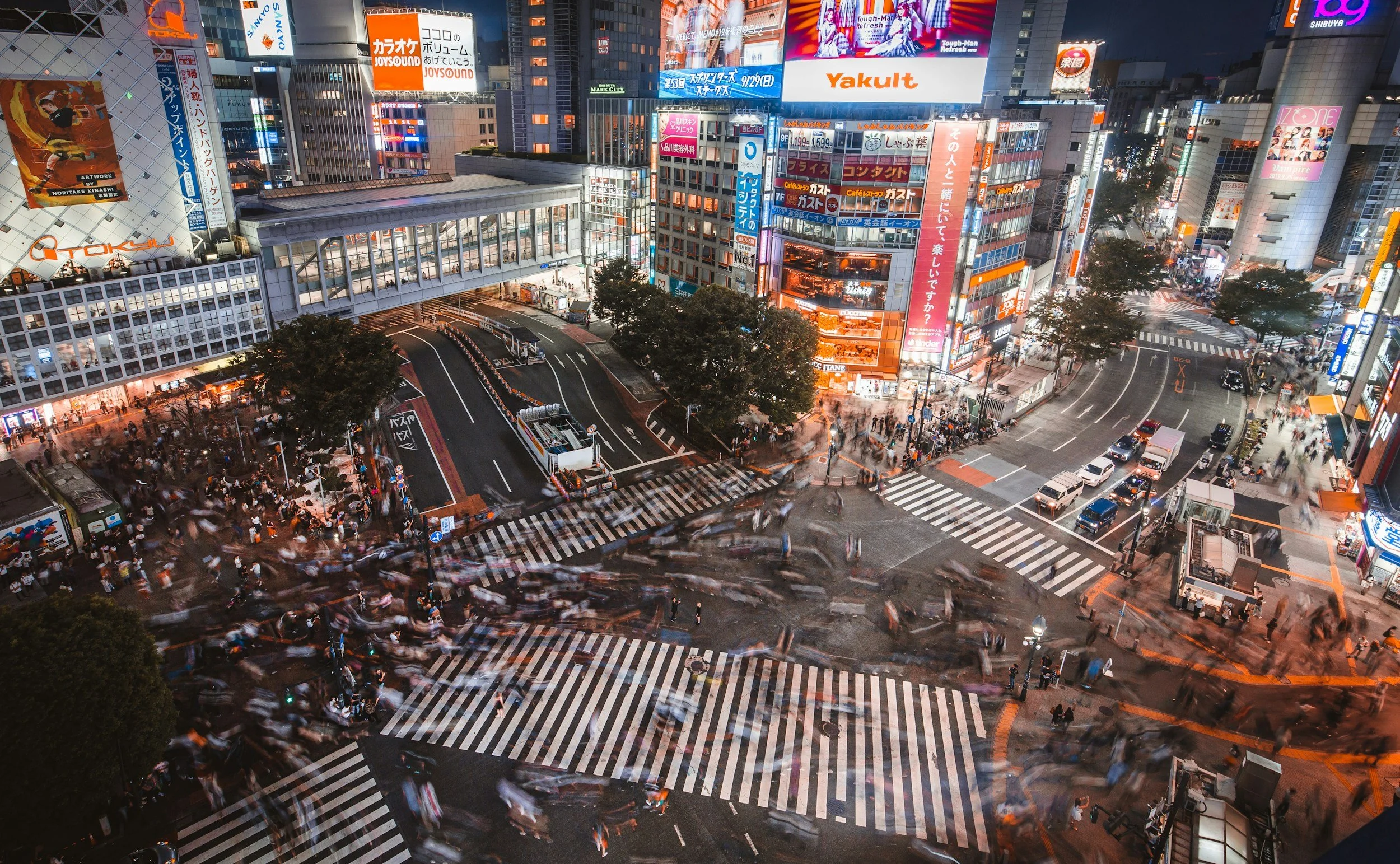
Shibuya Crossing in Tokyo: touristy, yes, but worth seeing, and even better from above.
Shinjuku
Shinjuku shows you another side of Tokyo: skyscrapers, restaurants, nightlife, tiny bars and massive train stations. This is where you start to understand that Tokyo isn’t one experience. It’s dozens of experiences smashed into one gigantic city. It’s also known for the latest technology. Years ago I carried a stereo home from Japan, and I still have the rice maker I bought there more than 20 years ago. It’s entirely in Japanese and still kicking.
Asakusa
Head to Asakusa to switch gears and visit Sensō-ji, Tokyo’s famous Buddhist temple. Suddenly the neon, futuristic Tokyo feels completely different. That’s the craziest thing about Japan: you’ll find a temple or a Japanese garden right in the middle of the skyscrapers and wonder where it came from.
Harajuku
Harajuku is fashion, youth culture, shopping and some wonderfully strange food trends. Explore Takeshita Street, but don’t stop there. Wander. Tokyo rewards people who wander, and it’s one of the safest cities in the world, so you never have to worry about turning down the wrong street. Some of my favorite travel experiences happen when you stop obsessing over the checklist, and maybe you wander into a pachinko parlor along the way.
What to Eat in Japan
Japan may ruin certain foods for you forever. Sushi, for one. I’ve never had it, but I’ve watched people appear to enter another dimension eating it, even at the inexpensive places. Sushi was born here, so try it: the fanciest counter or the fun conveyor-belt kind, where little plates go around in a circle. It’ll be great either way.
And sushi is only the beginning. There’s ramen (eating ramen in Japan qualifies as emotional therapy), tempura, yakitori, udon, soba, Japanese curry and wagyu. My personal favorite is tonkatsu, fried pork over rice. They bring you sesame seeds to grind into a little powder, you pour in the sauce and make it however you like, and then comes the fried pork with white rice. It’s literally my favorite thing. And in Kyoto, look for something made with real Kyoto matcha, not the fluorescent green sugar bomb you order at home.
Yes, Eat at the Convenience Stores
Japan’s convenience stores are not the sad gas-station hot dog situation you may be picturing. A 7-Eleven, Lawson or FamilyMart becomes part of the trip. You walk in for water and walk out with an egg salad sandwich, an onigiri, a dessert, a coffee and something in packaging you don’t understand but decided you needed. Try the egg sandwich. Don’t laugh. It’s actually pretty good.
Don’t Only Eat at Viral Restaurants
Make reservations for the special experiences you want, but leave room for spontaneity. Some of your favorite meals will come from the tiny restaurant with eight seats and absolutely no social media strategy, where Mom or Grandma is cooking for you. And if you’re petrified that the menu will be all kanji, don’t worry: many restaurants display plastic models of the food, so you can point and say, “Those noodles right there.”
Kyoto: Slow Down and Be a Good Visitor
Kyoto needs a lot of love, because it’s darling and one of the coolest places you will ever visit. This is where I want first-time visitors to change their mindset. You’re leaving the big city, and it’s time to slow down.
Kyoto is culturally and historically important, and something tourists sometimes forget: people actually live there. The houses line the streets so closely that you might think they’re garages or shops, but they’re people’s homes. Kyoto has asked visitors to respect residential areas, avoid blocking streets, obey photography restrictions and never touch, chase or photograph geiko or maiko without permission.
Translation: don’t be that tourist. A maiko walking to an appointment isn’t Mickey Mouse walking through the Magic Kingdom, so don’t chase her down the street for a selfie. Respect people’s homes, respect the temples and respect the signs telling you not to take a picture. Japan is incredibly welcoming to visitors. Just be a good one.
What to See in Kyoto
Fushimi Inari: thousands of bright torii gates climbing the mountain. Here’s Samantha’s tip, and it’s going to become a theme: go early. If you want the peaceful, magical Kyoto you’ve seen in photographs, you can’t show up when everybody else does.
Kiyomizu-dera: another Kyoto must. The temple is beautiful, but give yourself time to wander the historic streets around it, shop, snack and look around. Do not schedule Kyoto like you’re competing on The Amazing Race.
Arashiyama Bamboo Grove: Instagram has lied to you a little. You imagine you, bamboo and a spiritual awakening. The reality at peak time is you, bamboo and approximately 400 people taking the same photo. Go early, and explore more of Arashiyama than the famous photo spot.
Kinkaku-ji, the Golden Pavilion: it really is beautiful. You look at it and think, “Okay, I understand why everybody comes here.”
Gion: one of Kyoto’s historic entertainment districts and one of the places where visitors especially need to remember their manners. Walk, observe, have dinner and enjoy the atmosphere, but respect private property and photography restrictions.
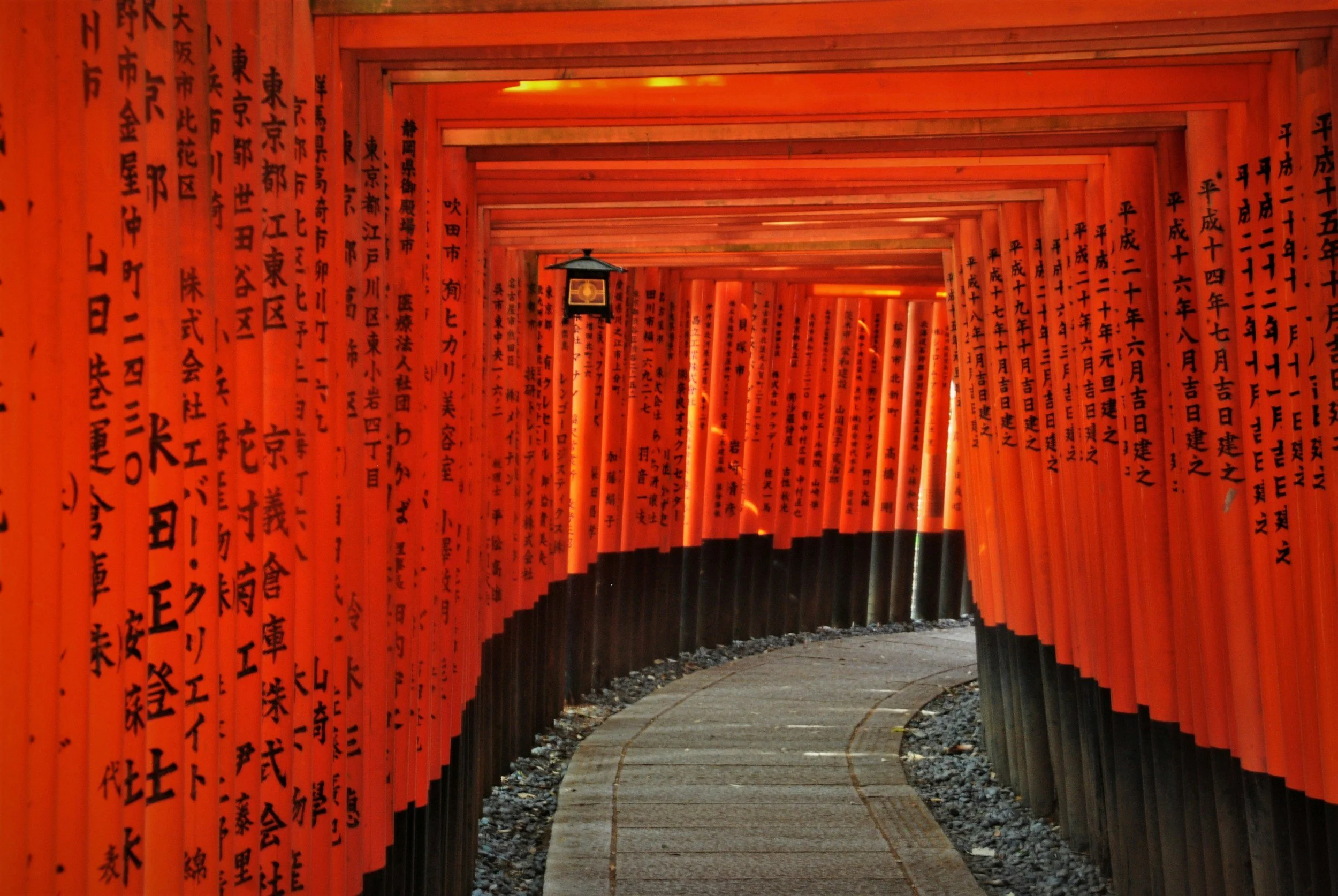
Kyoto’s famous torii gates are most peaceful early in the morning, before the crowds arrive.
Kyoto’s official tourism guidance now encourages visitors to spread out beyond the most crowded areas, which leads perfectly to one of my favorite pieces of advice: give Kyoto more time than you think. Both times I visited, it was only a night or two, and it deserves more.
Samantha’s Secret Spot Challenge
Pick one morning in Kyoto when you don’t chase the biggest attraction. Ask your travel advisor, hotel or guide for a quieter temple or neighborhood, go early and just be. Put your phone away for 10 minutes. Walk. Listen. I can still feel it: walking through those temple grounds, stepping across the stones in the little ponds. It’s one of the calmest, most centering places you will ever go. Take your torii gate photo when no one is around, but the memory you’ll actually treasure is the quiet little street you found when nobody else was there.
The 7 Mistakes First-Timers Make in Japan
Trying to see too much. Tokyo, Kyoto, Osaka, Hiroshima, Mount Fuji, Nara, Disney and Universal (there’s a Universal in Osaka) all in eight days? Tokyo is not a one-day city. Pick two or three areas and really enjoy them.
Overpacking. You do not need a suitcase you could rent out as a studio apartment. Japan makes luggage forwarding easy (more on that below), and Kyoto specifically encourages visitors to use luggage storage and delivery instead of hauling big suitcases onto crowded buses and trains.
Assuming the JR Pass is automatically the best deal. People hear “Japan” and immediately think they need a Japan Rail Pass. Maybe, but don’t buy one automatically. Your itinerary determines whether it makes financial sense, so price out the individual train journeys first.
Underestimating the train stations. Japanese transportation is incredible and runs on a tight schedule. If the train is due at 3:32, it is there at 3:32, and if it leaves at 3:33, it leaves at 3:33. But some stations are huge. Your train might arrive at Shinjuku Station and technically you’ve arrived, but your exit feels like it’s in another zip code. Build in extra time for your first few days and pay attention to exit numbers. The exit can matter almost as much as the station.
Talking loudly on trains. Public transportation in Japan tends to be quiet, and you’ll see businessmen napping. Read the room. Don’t be the obnoxious tourist.
Assuming Japan is cashless. Cards are widely accepted, but don’t travel with zero cash. Have some yen on hand, and learn about the IC cards for transportation and everyday purchases.
Only eating at viral restaurants. The little mom-and-pop places are phenomenal. Especially for tonkatsu.
Travel Hack: Forward Your Luggage
I’m dead serious about this one. Japan has excellent luggage delivery. Imagine leaving Tokyo in the morning without dragging two enormous suitcases through a station. Your luggage heads to your next hotel, and you hop on the train with a small bag. That’s a vacation upgrade.
Here’s why it matters. On the Shinkansen, you’ll have a seat if you’ve picked one. But the subway that gets you to the Shinkansen station is a regular commuter train, with no luggage space. And if you’ve never experienced a Tokyo train station at rush hour, when people are literally pushed onto the trains, please don’t do it with a suitcase. It’s an experience you’ll never forget, but you are not getting on that train with your luggage.
Worth the Splurge: A Ryokan Stay
If your itinerary allows a night outside the biggest city centers, book a traditional ryokan. A ryokan isn’t simply a hotel. It’s an experience: tatami mats, Japanese hospitality, traditional meals at the property and possibly an onsen, depending on where you stay. If you’ve never done an onsen, a traditional Japanese hot spring bath, I highly suggest the experience; it was one of the most interesting things I’ve ever done. If you’re flying halfway around the world, I want you to experience something that makes you say, “I could not have done this at home.”
Tourist Traps That Are Totally Worth It
Shibuya Crossing: 1,000%, you have to do it.
Arashiyama Bamboo Grove: worth it, but go early and explore beyond the photo spot.
The Golden Pavilion: worth it.
A convenience store egg sandwich: trust me.
Dressing in a kimono in Kyoto: a wonderful cultural experience when it’s done respectfully through a reputable provider. Being dressed is a ceremony, not just pulling on an outfit, and it’s really cool.
And chasing a geisha down the street for a photo? What have we learned? That’s a no-no.
Mount Fuji: See It, Stay Near It (Climb It If You Dare)
Yes, I climbed Mount Fuji. I was young, very fit and a dancer with a ton of stamina, and I did not expect the altitude. Somewhere around halfway (or three-quarters of the way) up, I was out of breath, my head was pounding and I could feel my heartbeat in my teeth. Along the way there are huts at the checkpoints with food, water and cans of oxygen you hold up to your mouth, and that’s how we made it. Meanwhile, Japanese women older than me were blowing right past me like it was the hill next door.
They say to climb so you reach the top for sunrise. We didn’t make it in time, but I did make it to the top. At each checkpoint they burn a stamp into your walking stick, and lots of people take theirs home. I did not. One more tip: never eat McDonald’s right before you climb Mount Fuji. Two checkpoints in, I was regretting that decision.
If climbing isn’t your thing, you can still enjoy Fuji. There are beautiful hotels near the base with gorgeous views of the mountain. When my parents visited, we stayed at one, took the bus partway up the mountain and got some really great pictures without climbing. And if you’re lucky enough to see Fuji from the plane window flying in or out of Tokyo, it’s one of the coolest things you’ll ever see.
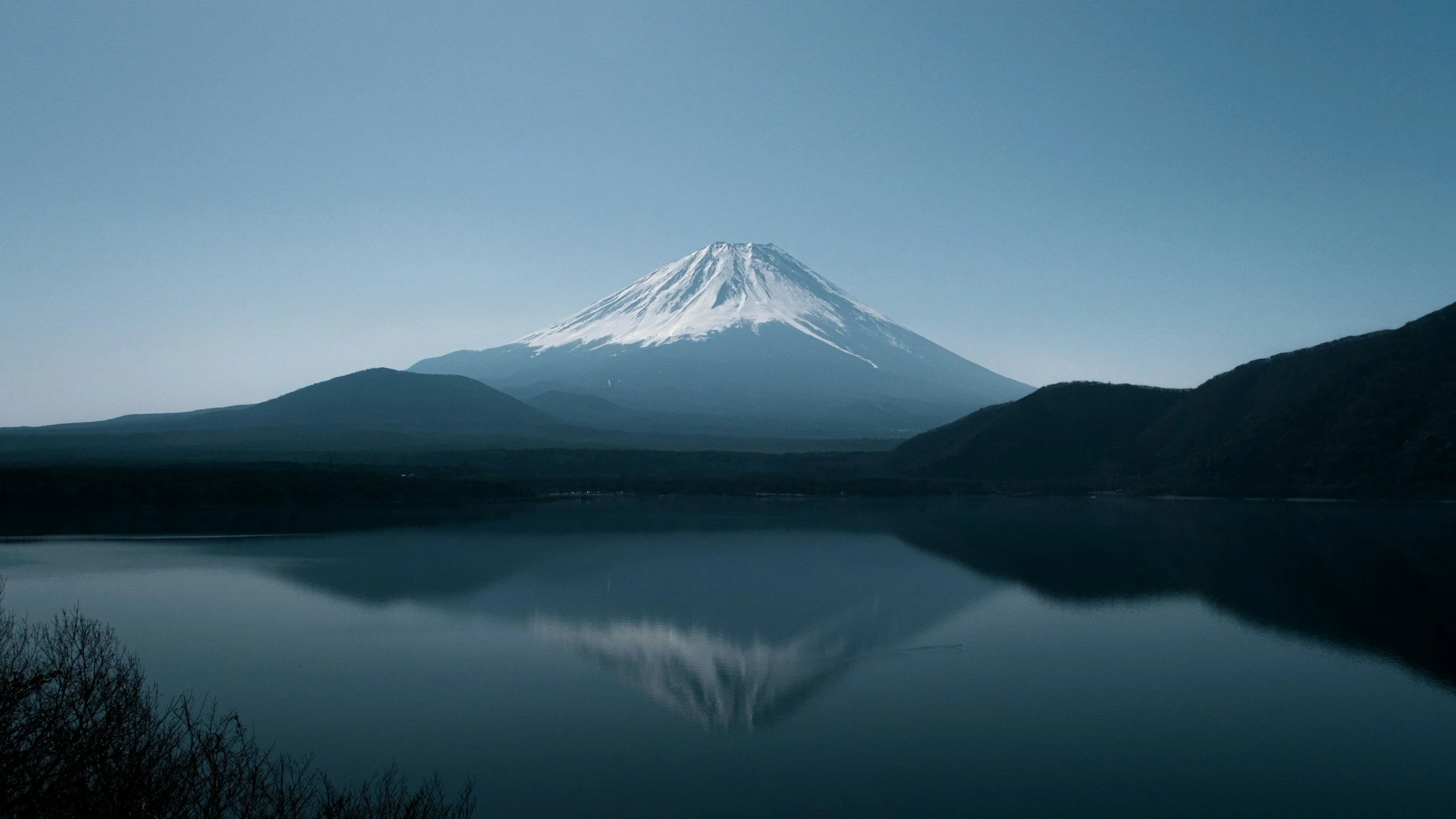
No climb required: the hotels near the base of Mount Fuji have gorgeous views of the mountain.
Tokyo Disney and Universal Studios Japan
You’re probably asking, “Samantha, why would I go all the way to Japan for Disney?” Here’s why. Tokyo Disney is very cool and very different. It’s super clean, the characters are perfection and the parks take on Japanese culture, so you’ll find Japanese treats instead of burgers and fries. And honestly, I think the rides are better, because Tokyo Disney has invested a lot in them, and the entertainment is second to none. I’m not just saying that because I worked there.
There are two parks, Tokyo Disneyland and Tokyo DisneySea, and DisneySea is the only park of its kind in the world. If you’re even the tiniest bit of a Disney fan, I’d do two days, one in each park. There are a couple of hotels on property too.
I haven’t been to Universal Studios Japan myself, but it’s in Osaka (nowhere near Tokyo Disney) and people love it. I have friends who have performed there. Japanese culture is to do everything at 110%, so I have no doubt it’s great.
Toilet 2000 (and Other Things You’ll Want to Bring Home)
I call it Toilet 2000, because I first saw it just before the year 2000 and it was so innovative. It’s basically a bidet toilet seat with more buttons than my car. It plays music, washes itself (and you) and, oh, the seat is warm. I’ve been saying for 20-some years that I’m going to put one in my house. So watch that suitcase, because there are things you’ll want to take home. Which brings me to shopping.
Tax-Free Shopping Has Changed
If you’re going to Japan after November 1, 2026, know that Japan has changed its tax-free shopping system for eligible international visitors to a refund model. Instead of receiving the tax exemption at checkout, you’ll generally pay the tax-included price and complete the refund procedure when you leave Japan, subject to the program’s rules and customs verification. It’s similar to the VAT refund process in Europe.
Is Japan Worth the Hype?
Japan doesn’t need the hype. Japan delivers. But I don’t want you to go just because it’s trending. I want you to go well.
Don’t cram seven cities into seven days. I totally get it: you flew all the way over there. But you won’t do it justice. If you want to see more cities, consider a cruise. Lines you already know, like Royal Caribbean and Celebrity, sail in Japan, and you could add a land stay at the end. Fair warning: once you get a little taste of those cities, you’re going to wish you had stayed longer.
Don’t be nervous about speaking to people, either. The Japanese are welcoming but inherently shy. Many people learn English in school, so they probably understand you, but they may be embarrassed to speak back in English. If an exchange feels awkward, it’s not because they’re trying to make you uncomfortable. They’re also very much rule followers, so just follow the rules. You’re in their home. Do it the right way.
Don’t expect Japan to adapt to you. Learn how Japan works. Slow down. Eat something you can’t identify (that won’t be me). Take the train. Get a little lost. Wake up early in Kyoto, stay out late in Tokyo, walk into the tiny restaurant, and leave enough blank space in your itinerary for Japan to surprise you. It’s one of those destinations where you come home and immediately start thinking, “When can I go back?” I’ve been thinking that for years.
If Japan is on your bucket list and you have no idea where to start, my team at Fabulous Adventures Travel can help you figure out how many days you actually need, where to stay in Tokyo, how to structure Kyoto, which experiences need reservations and how to handle the trains and transfers, so your trip doesn’t feel like a sprint across Japan carrying a suitcase.
